The evolution of gambling a historical overview
Ancient Beginnings of Gambling
The origins of gambling can be traced back to ancient civilizations, where various forms of games of chance were played. Archaeological findings suggest that the earliest recorded evidence of gambling dates back to around 3000 BC in China, where tiles were discovered that appeared to be used for a rudimentary game of chance. Similarly, ancient Egyptians engaged in betting on the outcome of various games, showcasing the universal appeal of gambling throughout history. In today’s context, platforms like Alf Casino NZ offer a modern twist on these traditions, providing exciting gameplay to enthusiasts everywhere.

In ancient Rome, gambling flourished with the use of dice and betting on gladiatorial games. The Romans introduced organized gambling to their society, establishing laws and regulations to control the practice. This marked the transition from informal betting to a more structured form of gambling that included various games and betting systems, setting the foundation for future developments in the gambling world.
The Middle Ages and Regulation
As societies progressed into the Middle Ages, gambling continued to be popular, but it faced increasing scrutiny and regulation. Many European monarchs viewed gambling as a vice, leading to bans and restrictions. However, underground gambling remained prevalent, particularly in the form of card games, which gained widespread popularity during this era. The introduction of the printing press also allowed for the creation of playing cards, making them more accessible to the general public.
The emergence of lotteries in the 15th century marked a significant turning point in gambling history. Governments began to use lotteries as a means to raise funds for public projects. This trend not only legitimized gambling but also laid the groundwork for the establishment of more formalized gaming operations in the centuries to follow.
The Rise of Casinos in the 18th Century
The 18th century saw the rise of casinos as we know them today, especially in Europe. The first recognized casino, the Casino di Venezia, was established in Venice in 1638, setting the stage for a burgeoning industry. By the late 18th century, casinos became hotspots for social interaction and entertainment, attracting a wide range of patrons from different walks of life.
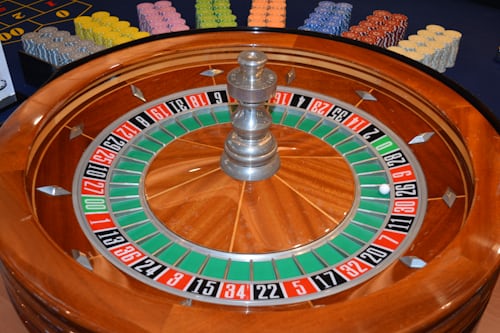
This era also marked the development of various games that are still popular today, including roulette and blackjack. The establishment of the Monte Carlo Casino in the 19th century further popularized gambling, creating a luxurious environment that appealed to the elite and solidified the casino experience in the public consciousness.
Gambling in the 20th Century
The 20th century brought about significant changes in gambling, particularly with the legalization and regulation of casinos in the United States. The Great Depression prompted many states to look for new sources of revenue, leading to the legalization of gambling in places like Nevada. Las Vegas quickly became the epicenter of the gambling world, characterized by extravagant casinos and entertainment.
Technological advancements also played a crucial role in shaping the gambling landscape during this period. The introduction of slot machines revolutionized the gaming industry, making gambling more accessible and appealing to a broader audience. The rise of online gambling in the late 1990s marked another pivotal moment, allowing players to engage in gambling activities from the comfort of their own homes.
The Modern Era of Gambling
Today, gambling has evolved into a multi-billion dollar industry that encompasses a variety of platforms, including online casinos, sportsbooks, and mobile gaming applications. With the proliferation of technology, players can now access a vast array of games and betting options at their fingertips. The online gambling sector has particularly surged in popularity, offering convenience and a wider selection of games than traditional casinos.
In this modern era, responsible gaming practices have also become a focus, with many operators implementing measures to promote safe gambling. Websites are now equipped with tools to help players manage their spending and gameplay, reflecting a growing awareness of the need for ethical practices in the gambling industry.
Leave a Reply